


Lighting design is a field within architecture, interior design and electrical engineer that is concerned with the design of lightning system, including natural light, electric light ,or both ,to serve human need .


The design process takes account of :
1. The kind of human activity for which lighting is to be provided
2. The amount of light required
3. The color of the light as it may affect the views of particular objects and the environment as a whole
4. The distribution of light within the space to be lighted , whether indoor or outdoor
5. The effect of the lightened system itself on the user


The aim of lightning design is the human reponse , to see clearly and without discomfort. The objective of architecture lighting design is to further the design of architecture or the experience of building and other physical structure.


Light fixture controls
1. 0-10v lighting control
2. 3-way 2-circuit switch
3. Bluetooth mesh (wireless lightning control)
4. Digital addressable lighting interface (DALI) dimmable
5. Dimmer
6. Light switch (often part of the light socket or power cord on portable fixtures )
Lighting control system
Motion detector
Timer
Touch
X10 ( industry standard) system


Day lighting
As the sun crosses the sky , it may appear to be red, orange, yellow or white depending on its position. The changing color of the sun over the course of the day is mainly a result of scattering of light and is not due to changes in black- body radiation .The blue color of the sky is caused by Rayleigh scattering of the sunlight from the atmosphere, which tends to scatter blue light more than red light.


Lighting design focuses on three fundamental aspects of the illumination of building or space. The first is the aesthetic appeal of a building,an aspects particularly important in the illumination of retail environment . Secondly,the ergonomic aspect : the measure of how much of a function the lighting plays . Thirdly is energy efficient , ensuring that light is not wasted by over illumination which occurs either by illumination vacant space unnecessarily or by providing more light than needed for the aesthetics or the task . Cultural factors also need to be considered; for example, bright lights was a mark of wealth through much of Chinese history.





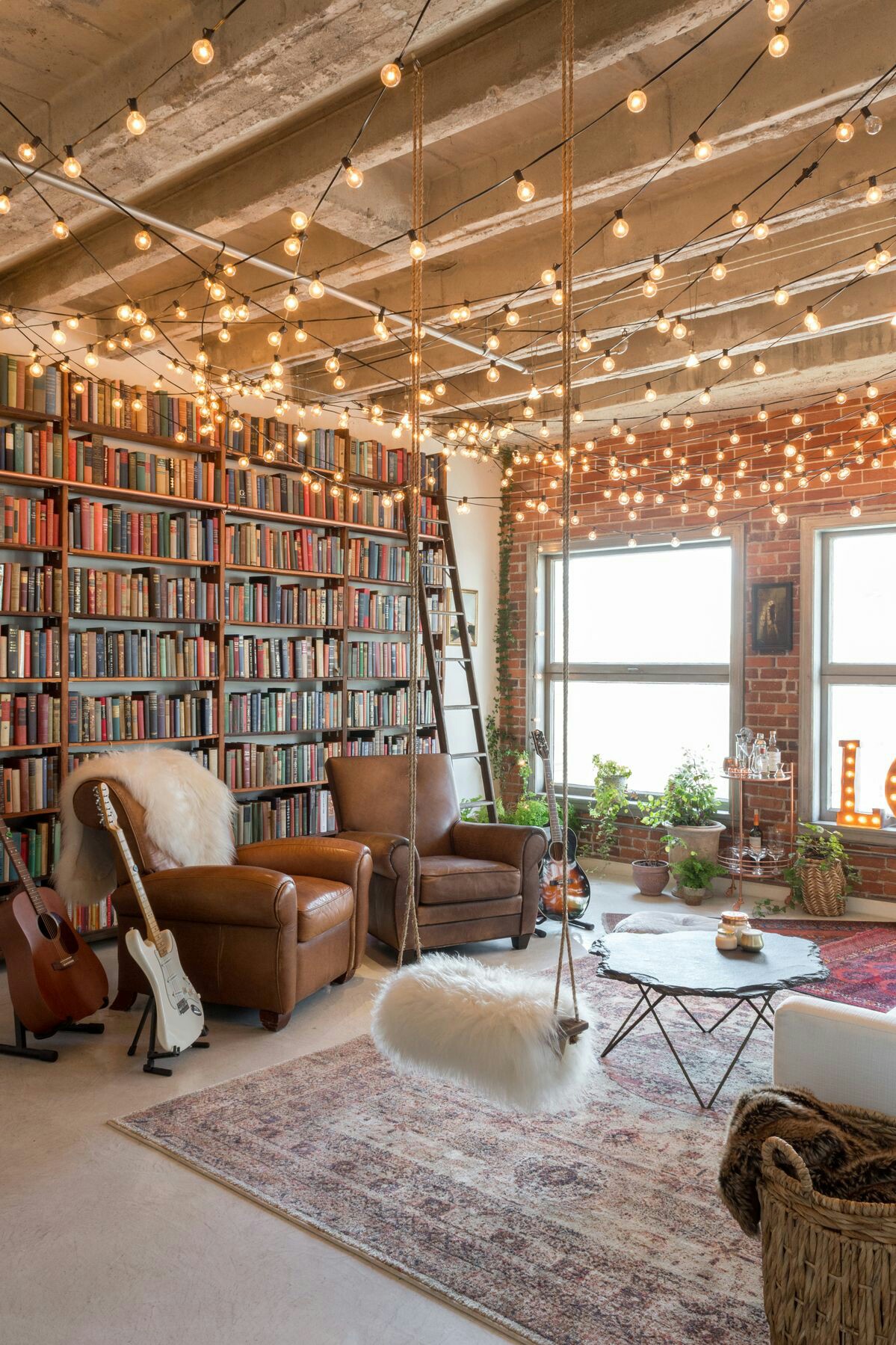


 lighting design